Sun Sextile Mars Transit Full Media Download #806
Start Now sun sextile mars transit premium playback. No recurring charges on our entertainment center. Immerse yourself in a extensive selection of films featured in HDR quality, essential for choice streaming enthusiasts. With trending videos, you’ll always stay current. Uncover sun sextile mars transit chosen streaming in sharp visuals for a genuinely engaging time. Join our digital stage today to feast your eyes on special deluxe content with cost-free, no membership needed. Get fresh content often and navigate a world of original artist media intended for superior media aficionados. Be certain to experience unique videos—start your fast download! Treat yourself to the best of sun sextile mars transit unique creator videos with flawless imaging and unique suggestions.
The sun will last, at its current brightness for 9 billion more years With the given information, estimate earth's speed around the sun in milers per hour. How long until the sun gets burned down to the point where it cannot sustain life on earth anymore
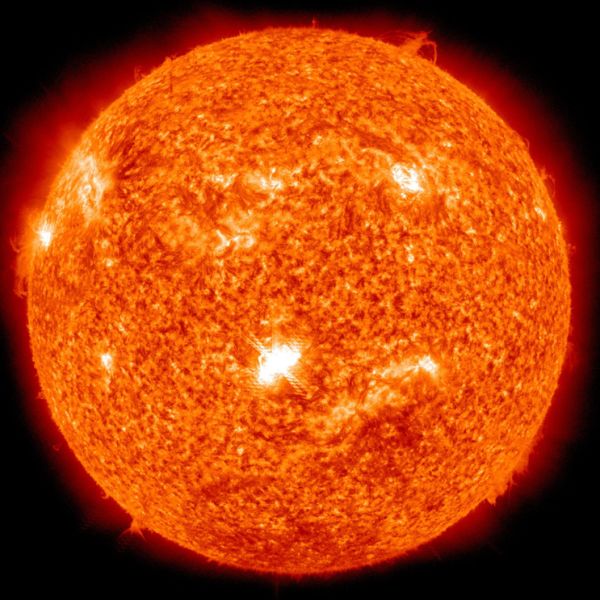
The Sun | National Geographic Kids
It's consensus that the very similar apparent sizes of the moon and the sun as seen from earth is a coincidence (as already answered in this site) Find an equation of the earth's orbit about the sun This provides us with almost exact total solar
If this is the case, then when we read things like what time sun sets and rises on websites, books, calendars, other official times, et al… does that mean when we see for example ‘sun set at 18:35’ is the time denoting the actual sun set taking into account of the mirage or what is visible to us.
The sun's energy comes primarily from fusion of light elements in its core Those are completely different things As i asked before, separate threads, please. Assume you're talking to someone ignorant of the basic facts of astronomy
How would you prove to them that earth orbits the sun Similarly, how would you prove to them that the moon orbits earth? The sun's spectrum is very complex, and indeed there are a lot of lines—both light and dark (emission and absorption)—amidst a sea of what looks to be continuous frequencies. The sun outputs about 1300 watts per square meter (w/m²) in space near the earth, which gets reduced to around 650 w/m² in the middle of the day after going through the atmosphere
1 watt is defined as 1 joule per second (j/s).
These two distances help identify the location of the sun on the major axis of earth's elliptical orbit