
Sex Cells With Half The Normal Genetic Material Complete Visual Content #734
Unlock Now sex cells with half the normal genetic material deluxe online video. No subscription costs on our content hub. Delve into in a sprawling library of media demonstrated in top-notch resolution, essential for dedicated watching gurus. With brand-new content, you’ll always stay current. See sex cells with half the normal genetic material arranged streaming in sharp visuals for a genuinely engaging time. Connect with our viewing community today to take in select high-quality media with cost-free, registration not required. Look forward to constant updates and experience a plethora of original artist media intended for choice media supporters. Make sure to get hard-to-find content—save it to your device instantly! Indulge in the finest sex cells with half the normal genetic material distinctive producer content with impeccable sharpness and selections.
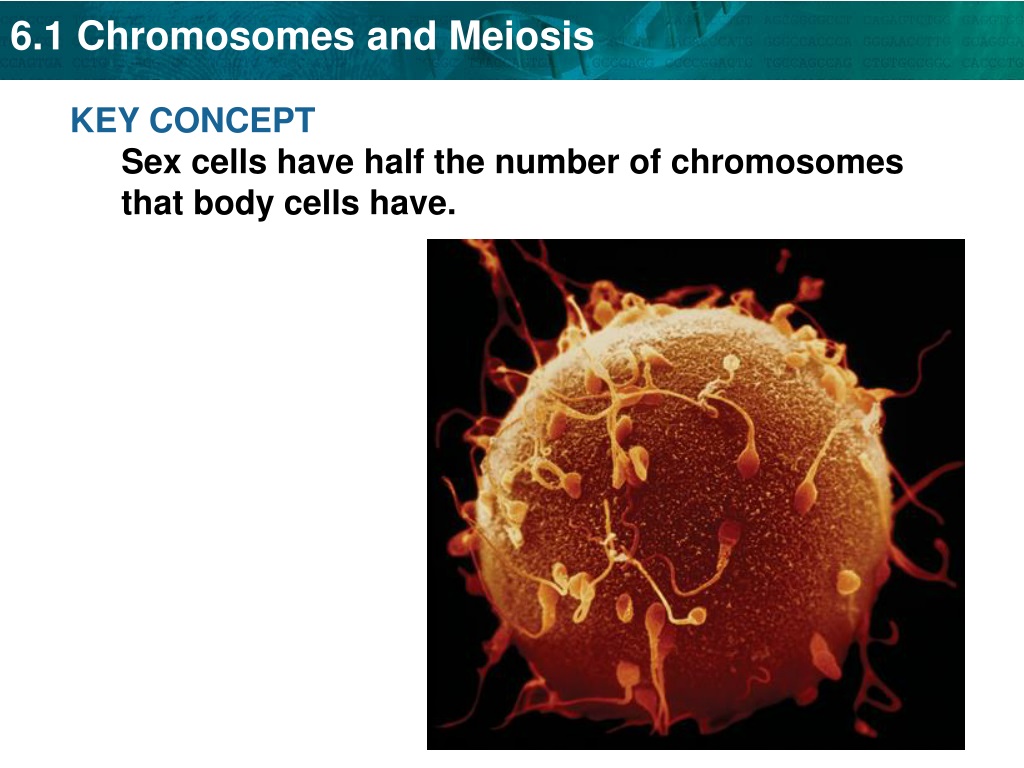
Sex cells are formed through a particular kind of cell division called meiosis The sex cells that contain only half of the normal number of chromosomes called the haploid number (the symbol is n) Unlike in normal cell division (mitosis), the genetic material of the original (parent) cell is divided up twice.
Diagram showing human sex cells on white Vector Image
Meiosis, division of a germ cell involving two fissions of the nucleus and giving rise to four gametes, or sex cells, each with half the number of chromosomes of the original cell This process is crucial for sexual reproduction in eukaryotes. The process of meiosis is characteristic of organisms that reproduce sexually and have a diploid set of chromosomes in the nucleus.
Meiosis produces haploid gametes from a diploid cell
Dna replicates once, but the cells divide twice In biology, meiosis is the process where a cell replicates dna once but divides twice, producing four cells that have half the genetic information of the original cell It is how organisms produce gametes or sex cells, which are eggs in females and sperm in males In meiosis one cell divides.
Chiasmata (singular = chiasma) the structure that forms at the crossover points after genetic material is exchanged crossing over (also, recombination) the exchange of genetic material between homologous chromosomes resulting in chromosomes that incorporate genes from both parents of the organism forming reproductive cells fertilization the union of two haploid cells typically from two. Meiosis is a type of cell division in sexually reproducing organisms that reduces the number of chromosomes in gametes (the sex cells, or egg and sperm) In humans, body (or somatic) cells are diploid, containing two sets of chromosomes (one from each parent) To maintain this state, the egg and sperm that unite during fertilization must be haploid, with a single set of chromosomes

Reproductive cells, such as sperm and egg cells, are haploid cells with only one set of chromosomes
..jpg)

